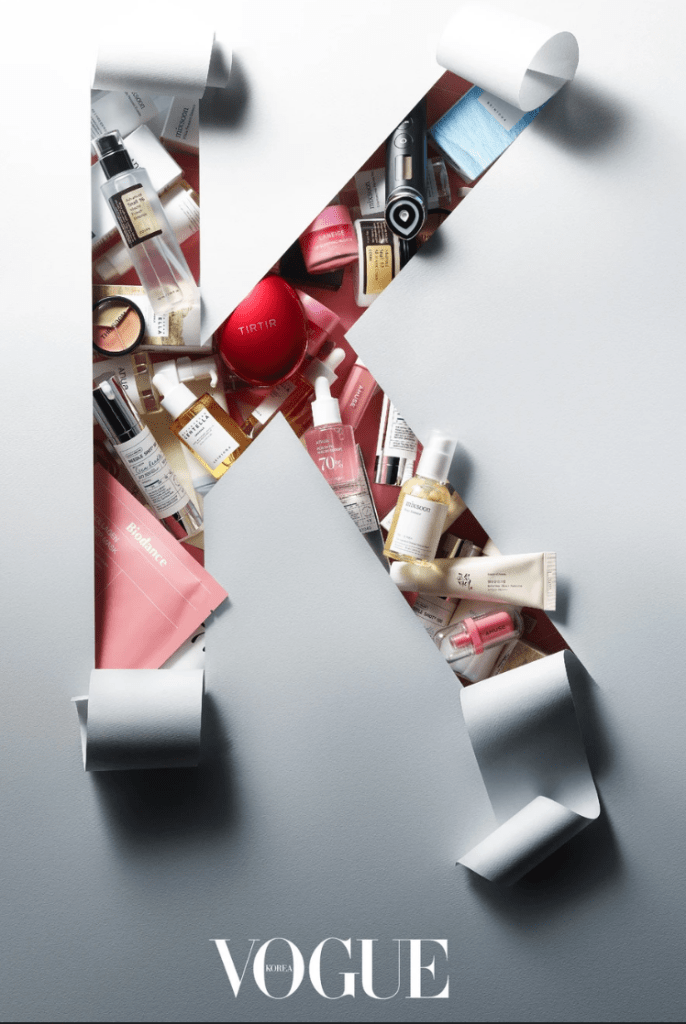
The current K-beauty cycle is fundamentally different from the past. For years, the industry was framed as a “China Reopening” trade, tethered to the whims of a single market. Today, the data reveals a new reality: this cycle did not start in China, and it is no longer defined by it. K-beauty has quietly transformed from a regional skincare trend into a globally distributed, manufacturing-driven infrastructure.
1. A New Geography: From the East to the West
The momentum is now firmly rooted in Western markets. Export data shows explosive year-on-year growth that makes the old “China-centric” model look obsolete:
- The Titans: USA (+47%), UK (+116%), and Europe are leading the charge.
- The New Frontiers: Surprising hubs like Poland (+30%) and Estonia (+500%) are emerging as critical logistics gateways for the broader Nordic and European markets.
2. The Quality Shift in China
China hasn’t disappeared—it has normalized. Exports to China are growing again (+29.3%), but the way we sell has changed. We’ve moved away from the volatile “Daigou” (gray market) and duty-free dependence toward brand-led, offline, and sustainable retail. China is no longer a dumping ground for volume; it is becoming a mature, competitive retail market.
3. From “Skincare” to “Lifestyle Export”
The K-beauty category mix is expanding rapidly, diversifying the risk of being a “one-hit wonder” in skincare.
- Color Cosmetics (US): +52%
- Fragrance: +99%
- Personal Care: Shampoo (+86%) and Body Wash (+48%) are seeing massive spikes.
K-beauty is no longer just about 10-step skincare routines; it is becoming a lifestyle ecosystem. This expansion significantly increases the “Total Addressable Market” (TAM) and ensures the cycle’s longevity.
4. The ODM Leverage: The Silent Compounding Layer
While brands come and go, the factories remain. This cycle structurally favors ODM (Original Design Manufacturing) giants like Cosmax and Kolmar Korea. As indie brands explode across Amazon and TikTok, they all share a common need: small-batch production, rapid R&D, and strict quality control. In this environment, process capability matters more than brand scale. ODMs have become the underlying infrastructure that powers the global indie beauty boom.
5. Winning the Amazon Top 100
A look at the Amazon Beauty & Personal Care Top 100 tells the real story. Names like Medicube, Anua, Biodance, and d’Alba—not the legacy conglomerates—are dominating. These brands win through:
- Function-first positioning: Clear, efficacy-driven messaging.
- Agility: Leveraging ODMs to launch and iterate faster than global competitors.
- Digital-native marketing: Meeting the consumer where they actually shop.
Final Thought: Durable, Not Loud
The strength of this K-beauty cycle lies in its structural resilience. It is built on three pillars: geographic diversification, category expansion, and manufacturing-driven scalability.
K-beauty has graduated from a single-market story to a global manufacturing platform. It isn’t a loud, speculative bubble; it is a long, durable expansion of Korean industrial excellence.


답글 남기기