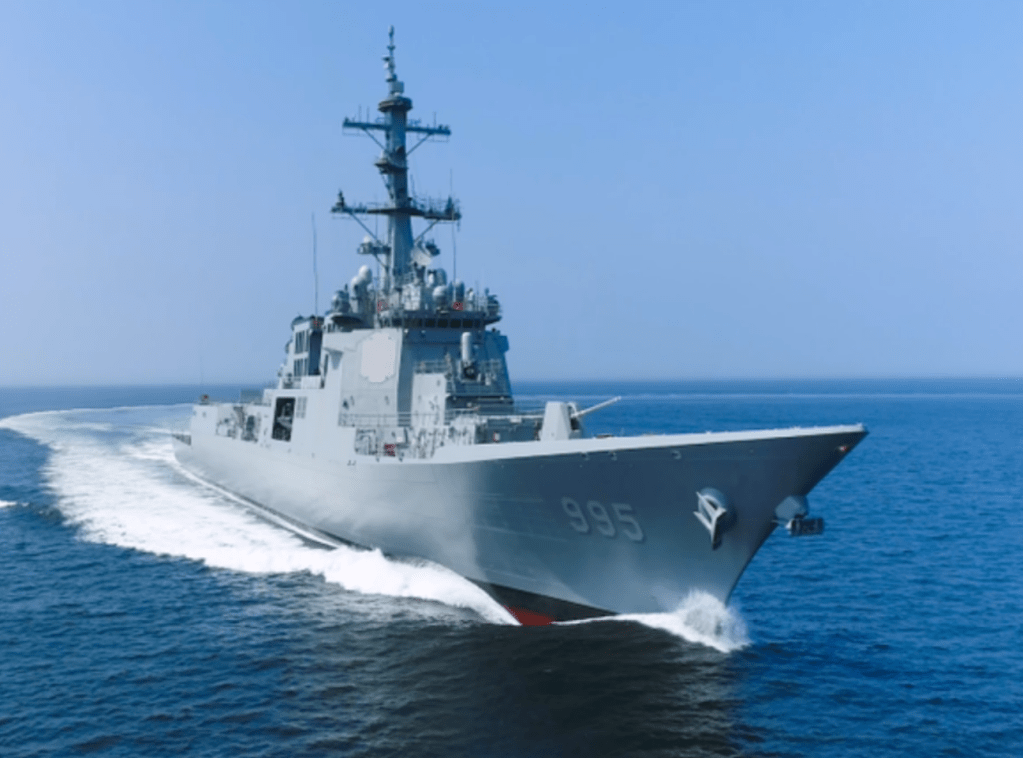
When we witness the global surge of K-Defense, the headlines are usually stolen by the giants: HD Hyundai Heavy Industries, Hanwha Ocean, or Samsung Heavy Industries. Their massive shipyards and sleek warship designs are undeniably impressive. However, there is a critical component that often goes unnoticed, despite being the literal “heart” of these vessels—the engine.
In the complex ecosystem of Korean naval power, STX Engine stands as the indispensable backbone. Without their propulsion systems, these multi-billion dollar warships are nothing more than floating steel.
1. More Than Just a Supplier: The Strategic Core of Propulsion
STX Engine isn’t just another parts manufacturer; it is the primary architect of movement for Korea’s most advanced defense platforms. From the sophisticated propulsion systems found in naval destroyers to the rugged engines powering the world-renowned K9 self-propelled howitzers and Redback infantry fighting vehicles, STX Engine’s footprint is everywhere.
What makes the company truly unique in the global market is its strategic relationship with Germany’s MTU, the world leader in naval engines. STX Engine is the only company with the license to produce these high-performance MTU engines domestically in Korea. This creates a powerful synergy: whenever a Korean shipbuilder secures an export deal, STX Engine almost inevitably follows as the propulsion provider.
2. Riding the $20 Billion K-Warship Export Wave (2026–2027)
We are currently entering what analysts call a “Golden Cycle” for naval exports. Between 2026 and 2027, Korean shipyards are eyeing a potential windfall of orders worth over ₩30 trillion (approximately $22 billion). This massive pipeline includes high-profile projects such as the U.S. Navy’s Legend-class frigate program, Saudi Arabian frigate upgrades, and submarine procurement for Canada, the Philippines, and Thailand.
For STX Engine, this represents a massive “lagging growth” opportunity. In the naval industry, there is a predictable timeline: a contract is signed, the ship is designed, and then—usually 2 to 3 years later—the engine is installed. This means that the record-breaking ship orders we expect to see in 2026 will translate into a surge of revenue for STX Engine starting in 2028. We aren’t just looking at a short-term spike; we’re looking at a multi-year growth runway.
3. The “Golden Fleet” and the Future of Unmanned Warfare
The geopolitical landscape is further accelerating this demand. Discussion surrounding the “Golden Fleet” concept—a massive expansion of the U.S. Navy to include up to 65 frigates and a vast array of unmanned vessels—could trigger one of the largest naval procurement waves in decades.
As modern naval doctrine shifts toward Distributed Maritime Operations (DMO), the strategy is moving away from a few massive ships toward a larger number of smaller, more agile, and often unmanned surface vessels (USVs). This shift is a massive tailwind for STX Engine. More ships, even if they are smaller or unmanned, mean a significantly higher volume of propulsion systems required. STX Engine is perfectly positioned to power this next generation of “dispersed firepower.”
4. The Revenue Surge: Doubling Down on Growth
The financial outlook reflects this strategic dominance. While STX Engine’s overall revenue is projected to grow steadily from ₩976.6 billion in 2026 to over ₩1.3 trillion by 2028, the real story lies in the naval sector.
Specifically, naval engine revenue is expected to nearly double, jumping from ₩275.8 billion to ₩531.4 billion in just two years. This 34% overall growth—fueled by both naval expansion and the continued global success of the K9 howitzer—positions STX Engine not just as a support player, but as a primary beneficiary of the global rearmament trend. For those watching the K-Defense sector, the message is clear: watch the ships, but invest in the engines.
 The Morning Calm Notebook
댓글 남기기