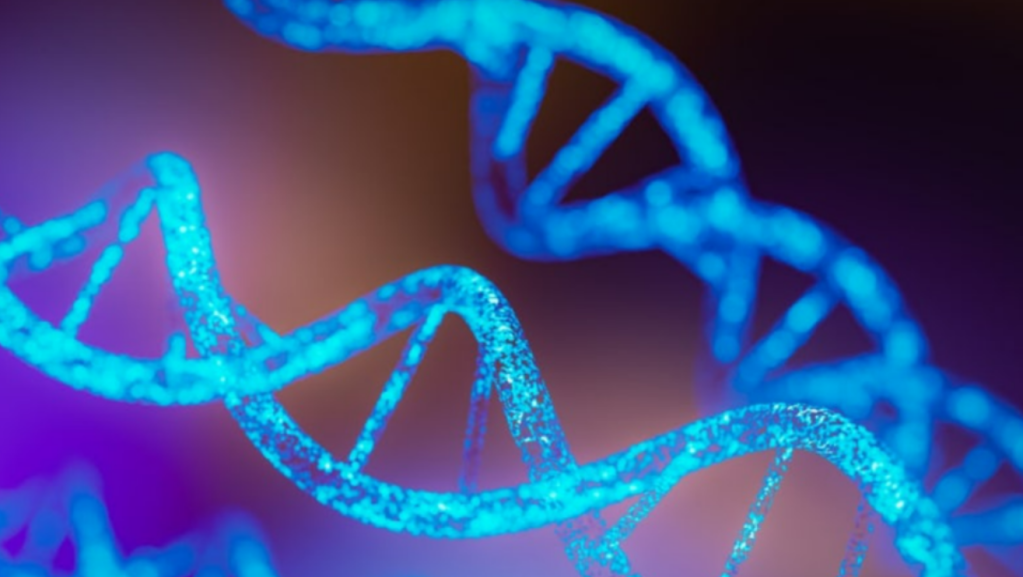
The idea of “reversing aging” has long been dismissed as science fiction. But as we move through 2026, we are witnessing a historic pivot: Aging is no longer being treated as an inevitable fate, but as a biological “software error” that can be reprogrammed.
At the heart of this revolution are the Yamanaka Factors—a set of genes that can reset an adult cell back to its youthful, pluripotent state. What started as a Nobel Prize-winning discovery in 2012 has now ignited a multi-billion dollar global industry.
1. From Lab Bench to Human Eyes: The First Clinical Reality
Why are we seeing “Reverse-Aging” trials for vision first? Because regulators like the FDA move faster when a therapy targets a specific disease rather than “aging” itself.
- Life Biosciences (ER-100): 2026 marks a major milestone as human trials begin for optic nerve regeneration. By “re-aging” the cells of the eye backward, they aim to cure glaucoma and permanent vision loss.
- The Strategy: Treat the organ first, then the whole body. If we can prove age reversal in the eye, the rest of the body is next.
2. AI: The Turbocharger of Longevity Biotech
In 2026, the term “Generative Biology” has replaced “Drug Discovery.” AI is doing for longevity what it did for coding—compressing years of trial-and-error into weeks.
- Digital Twins: Before a single human is treated, AI models like AlphaGenome simulate how reprogramming factors will affect the entire organism.
- Precision Control: AI helps find the “Sweet Spot” of Partial Reprogramming—turning back the clock enough to rejuvenate the cell without turning it into a tumor (cancer risk).
3. The Money Flow: Beyond Cosmetics to Cellular Repair
The longevity market is projected to exceed ₩120 trillion by late 2026. But the quality of that money is changing.
- The Shift: We are moving from Anti-Aging (hiding wrinkles) to Longevity Biotech (repairing the epigenetic clock).
- Altos Labs & Retro Biosciences: With billions in backing from Jeff Bezos and Sam Altman, these firms are treating aging as a fundamental engineering problem. They aren’t looking for a “cream”; they are looking for a “reset button.”
4. The Business Timeline: What to Expect
- Phase 1 (2026–2030): High-cost gene therapies for rare diseases, blindness, and neurodegeneration.
- Phase 2 (2030–2035): Regenerative “maintenance” for organs and skin, moving toward premium preventative care.
- Phase 3 (2040+): Routine “Epigenetic Resets”—aging becomes something you manage annually, like a dental checkup.
5. South Korea’s Role: The Manufacturing Hub of Youth
Korea is uniquely positioned to capture the infrastructure layer of this industry.
- Samsung Biologics & Celltrion: As global leaders in CDMO (Contract Development and Manufacturing), Korea is becoming the “factory” for the world’s most advanced cell and gene therapies.
- Stem Cell Expertise: Korea’s long-standing strength in stem cell research provides the perfect foundation for the next wave of Autologous (Self-derived) Rejuvenation.
The Final Takeaway
The longevity industry is undergoing a transition similar to the early internet or the rise of AI. It starts with high-cost, specialized applications, but the goal is mass-market integration.
If cellular reprogramming proves its safety in the current 2026 clinical trials, aging will officially become the most treatable condition in human history. We are no longer just living longer; we are learning to stay younger.
 The Morning Calm Notebook
댓글 남기기