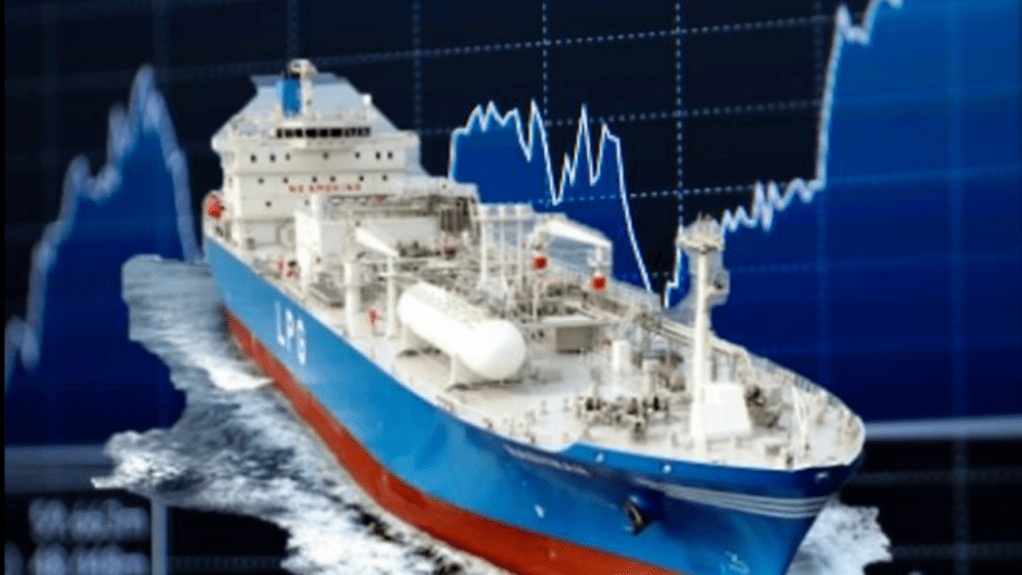
At first glance, the trade looks counterintuitive. Why would global fund managers reduce exposure to semiconductors—the literal backbone of the AI revolution—to buy into shipbuilding, an industry historically dismissed as cyclical and “old economy”?
The answer has little to do with market fads. It is a structural reallocation driven by a search for earnings visibility and a hedge against global volatility.
1. The Semiconductor Trim: Rational, Not Bearish
Semiconductors are no longer the “undiscovered” gems they were two years ago. In 2026, AI demand is fully priced in, valuations are bumping against historical ceilings, and earnings expectations are sky-high.
From a foreign investor’s perspective, the risk-reward profile has leveled out. With intensifying tech competition and geopolitical uncertainties looming over chip supply chains, trimming exposure isn’t a bet against AI—it’s a rational move to lock in gains and manage portfolio volatility.
2. The New Shipbuilding: A “Super-Cycle” of Profitability
Today’s Korean shipbuilding industry bears little resemblance to the low-margin, oil-price-sensitive sector of the past. We have entered a “Profitability Super-Cycle” driven by three distinct pillars:
- High-Value Dominance: Korea now leads in LNG carriers, eco-friendly methanol-powered vessels, and complex naval defense ships.
- The MASGA Factor: Strategic initiatives like the “Make American Shipbuilding Great Again” project have integrated Korean giants like HD Hyundai and Hanwha Ocean into the U.S. naval supply chain.
- Locked-In Margins: Unlike semiconductors, where prices fluctuate daily, shipbuilders are now executing backlogs secured at high price points with long-term contracts.
3. Visibility Beats Optionality
Foreign capital favors one thing above all: predictability. In semiconductors, you have “Optionality”—the hope that the next AI chip cycle will be even bigger. In shipbuilding, you have “Visibility”—a multi-year order backlog that represents contracted, future revenue. For the “Big Three” (HD Hyundai Heavy, Samsung Heavy, and Hanwha Ocean), 2026 operating profits are projected to surge by as much as 40-60% YoY. When profit is already on the books, investors sleep better.
4. The Hidden Advantage: The Currency Hedge
For a foreign investor, the KRW/USD relationship is a critical part of the return.
- Semiconductors: Earnings are globally competitive but sensitive to FX swings and tech cycles that can amplify downside risk.
- Shipbuilding: Contracts are almost exclusively denominated in USD, while a large portion of the operating costs remains in KRW.
This makes Korean shipbuilders a natural hedge against currency volatility. A weaker Won doesn’t threaten these margins; it enhances them.
Structural Comparison: Why the Flow is Shifting
| Metric | Semiconductors (e.g., SK Hynix) | Shipbuilding (e.g., HD Hyundai) |
| Earnings Visibility | Medium (Cycle-dependent) | High (Contract-backed) |
| Valuation Status | Elevated / Fully Priced | Reasonable / Re-rating phase |
| FX Sensitivity | High (Revenue/Cost mismatch) | Low (Natural USD hedge) |
| Industry Moat | Tech Lead (Contested) | Infrastructure (Consolidated) |
| Primary Driver | AI CAPEX Cycles | Energy Security & Naval Rearmament |
The Final Takeaway
Foreign investors aren’t abandoning growth; they are reallocating toward cash-flow certainty. As the KOSPI tests new highs (even touching the historic 5,000 mark in early 2026), the “narrative trades” are giving way to “structural trades.” Semiconductors offer the upside of the future, but shipbuilding offers the contracted earnings of the present. In an uncertain global economy, the market is choosing the industry that is protected by policy, backed by backlogs, and hedged by the dollar.
 The Morning Calm Notebook
댓글 남기기